
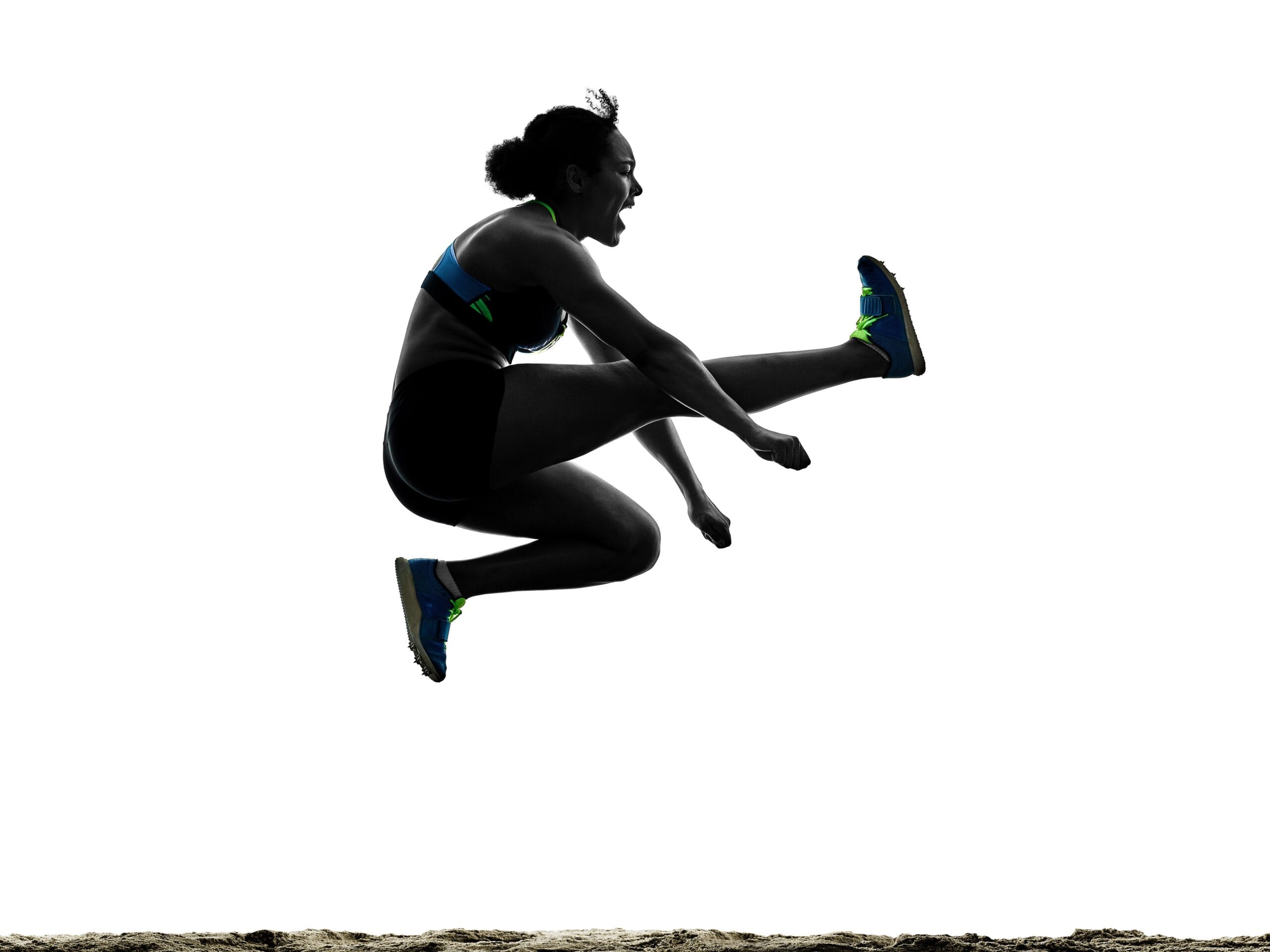
Picture this: two athletes with nearly identical skill sets, similar training histories, the same coach. One of them consistently steps into a big moment and delivers. The other often hesitates, tightens up, and underperforms. The difference rarely comes down to talent; it comes down to confidence, and more specifically, how each athlete has learned to relate to self-doubt.
Here’s the thing nobody tells young athletes early enough: confidence isn’t a personality trait. It’s not something you’re born with or without. It’s a skill. And like any skill, it can be trained, developed, and strengthened, even after it takes a hit.
What Confidence Actually Is (And Isn’t)
Confidence in sport is often misunderstood as a constant, observable vibe of “I’ve got this” that did not falter even in the toughest moments. In reality, even the most elite performers in the world experience self-doubt. The difference is that they’ve built a relationship with that doubt that doesn’t let it run the show.
True athletic confidence isn’t the absence of fear or uncertainty. It’s the ability to act effectively despite uncertainty, to trust your training, execute your skills, and stay present even when the outcome is unclear.
It also isn’t arrogance or bravado. Overconfidence that ignores honest self-assessment leads to poor preparation and avoidable mistakes. What we’re building toward is grounded confidence: a realistic, evidence-based belief in your ability to handle what’s in front of you.
Why Confidence Takes Hits, And Why That’s Normal
Athletes frequently experience dips in confidence after:
- An injury that disrupts training and creates physical and psychological uncertainty
- A performance slump that seems to come out of nowhere
- A critical mistake in a high-stakes moment that replays on a loop
- Moving up to a higher level of competition where everything feels harder
- Increased external pressure, from coaches, parents, scouts, teammates, or social media
Every one of these is a real confidence threat, and yet, none of them mean something is wrong with you. What matters is how you respond, because your response to a confidence dip is what shapes your trajectory far more than the dip itself.
How Confidence Is Actually Built
Confidence isn’t built through positive thinking alone. Telling yourself “I’m great” when your internal evidence says otherwise doesn’t work, your competitors will see through it immediately. Confidence building is one of the primary focuses of sports psychology, and it’s something every athlete can develop with the right support. Here are four interconnected strategies that athletes can start employing right away:
1. Mastery Experiences
The most powerful confidence builder is actually doing the thing well, and remembering that you have. This is why consistent, quality preparation matters so much. Every rep, every drill, every practice where you execute is building a bank of evidence your brain can draw on under pressure. When doubt creeps in during competition, that evidence base is what you return to.
2. Honest Progress Tracking
Athletes often have short memories for their wins and long memories for their mistakes. Actively tracking your progress, keeping notes on what’s working, what’s improved, what you’ve overcome, counteracts this bias and gives you something concrete to point to when self-doubt shows up.
3. Effective Self-Talk
The voice in your head matters more than most athletes realize. Chronic negative self-talk (“I always choke,” “I’m not good enough for this team”) functions like bad coaching, it undermines your performance before you’ve even started. The goal isn’t to replace honest self-assessment with toxic positivity, but to develop a more accurate, performance-oriented internal voice. Instead of “What if I fail?” try “What have I prepared for? What can I control right now?”
4. Learning From Setbacks, Not Just Surviving Them
Every athlete experiences failure. The ones who build durable confidence are the ones who develop the ability to extract something useful from setbacks rather than just white-knuckling through them. That takes intentional reflection, and sometimes, someone skilled to help you do it.
The Performance Reset: What to Do When Confidence Drops Mid-Competition
Even with solid preparation, confidence can crater in the middle of a performance. Here’s a simple, evidence-based reset protocol you can use in real time:
Step 1: Breathe. Use a controlled exhale, 4 seconds in, 6 seconds out. The extended exhale activates your parasympathetic nervous system and physically slows your stress response.
Step 2: Use a cue word. Pick one word that anchors you to your best performances, something like “steady,” “trust,” or “present.” Practice using it consistently in training so it becomes a genuine mental trigger, not just a word.
Step 3: Shift your focus forward. Your attention belongs on the next play, the next point, the next pitch, not the last one. Ruminating on a mistake during competition is one of the fastest ways to compound it. Give yourself permission to process it later. Right now, there’s a game to play.
Mental toughness isn’t about being unaffected by pressure. It’s about recovering quickly when pressure lands.
When Confidence Issues Go Deeper
Sometimes a crisis of confidence in sport is a window into something bigger, perfectionism that’s never been examined, an identity built entirely around athletic performance, fear of failure tied to self-worth, or the psychological aftermath of injury or trauma. These aren’t weaknesses. They’re human struggles that deserve real and compassionate attention.
If you’ve tried the strategies above and your confidence keeps collapsing under pressure, or if you notice your self-doubt is bleeding into other areas of your life, working with a sports psychologist is one of the highest-leverage investments you can make as an athlete.
At Grand Slam Psychological Services, Dr. El McCabe works with athletes at every level to build the kind of grounded, durable confidence that holds up when the stakes are highest. Her approach is warm, practical, and tailored to you, not a generic workbook.
Schedule a free consultation →
And if you’re new to sports psychology and want to understand what it actually involves, start here: What Is Sports Psychology and Why Athletes Need it?
Available in NY, NJ, PA, and 40+ states via PsyPact telehealth.