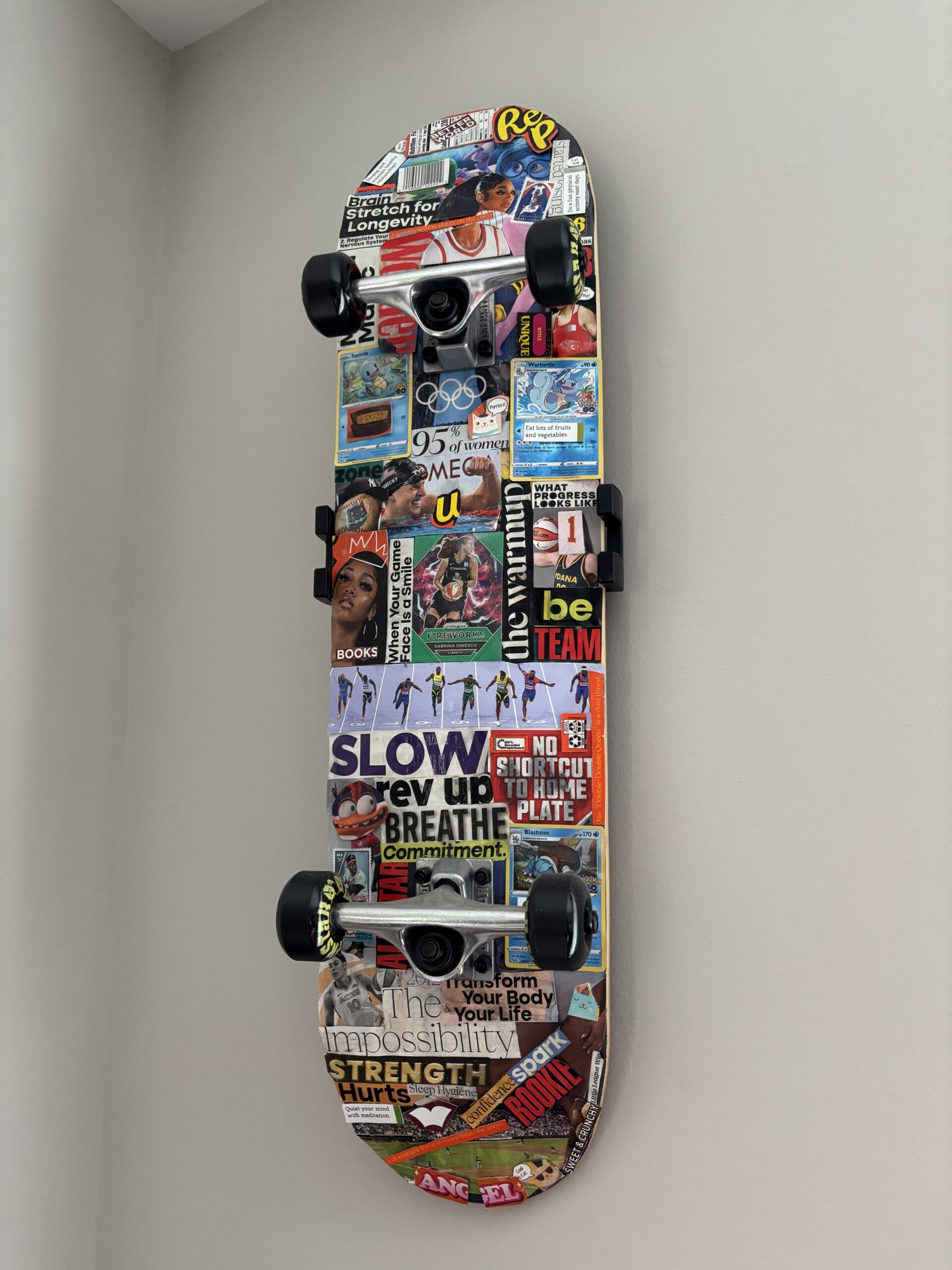
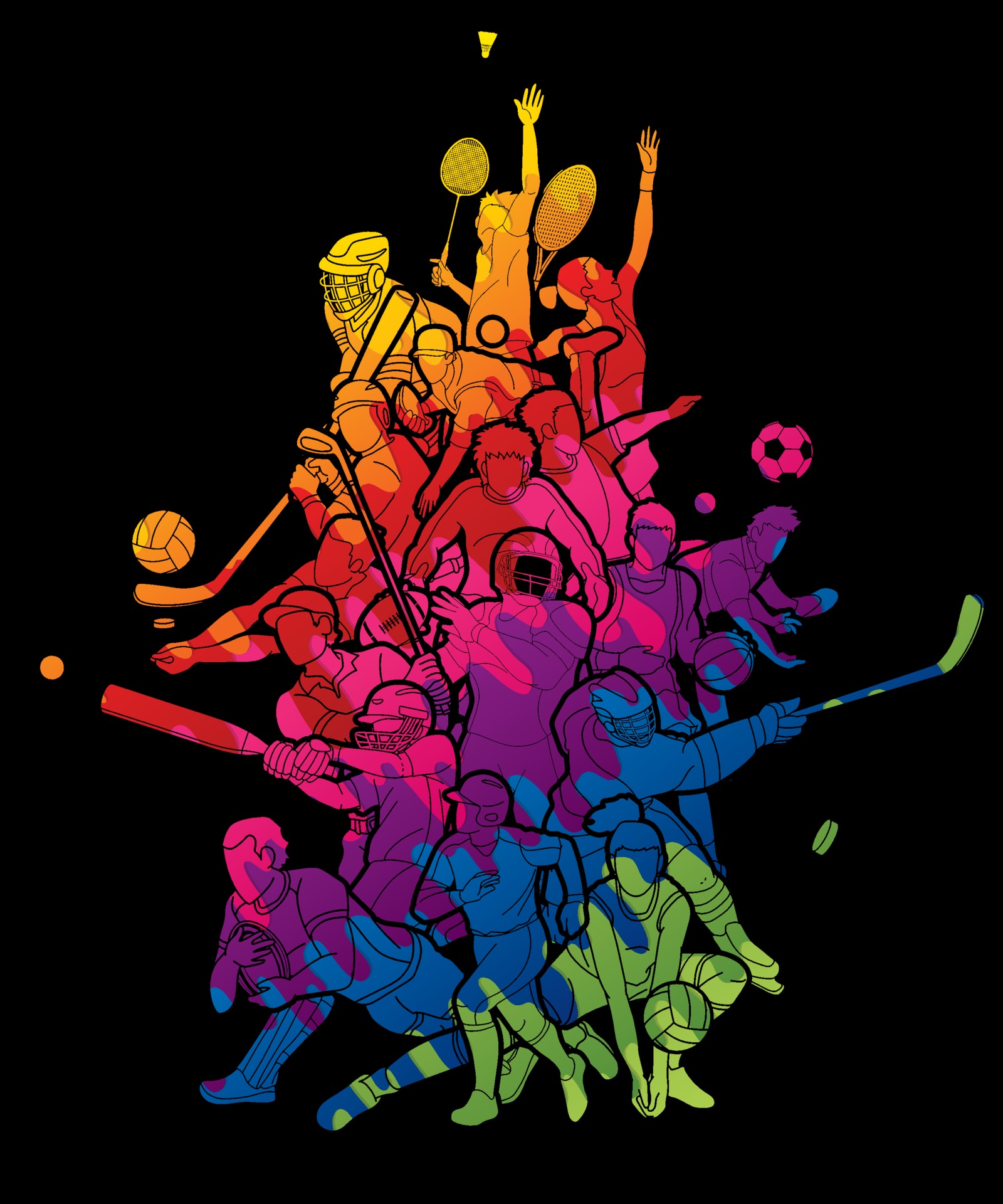
"On Deck" Sports Psychology Art Created by Dr. El

2022-2023 Princeton University TIGERSPAW Team
What We Work On Together
• Performance anxiety & excessive worry
• Stress & time management
• Coach and/or team conflict
• Depression & lack of motivation
• Transitional issues (i.e. going from college to pro’s)
• Eating & body image concerns
• Mental fatigue or burnout
• Sleep difficulties
• Relationship issues
• Substance use
• Career termination (i.e. retiring) & loss of Identity as an athlete
• Coping with injury or slumps
… and more!

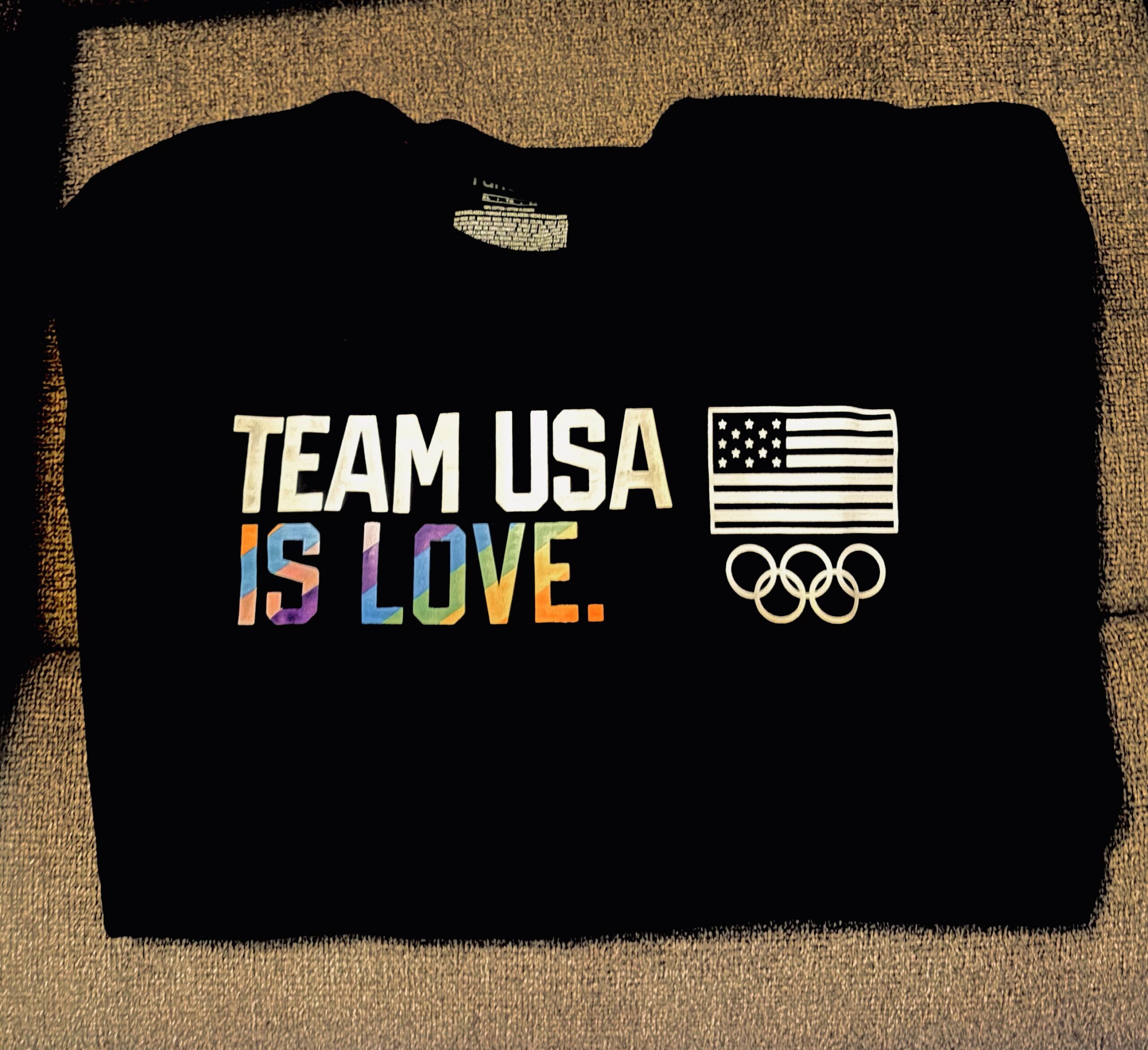
Therapy Services for LGBTQ+ Athletes
Dr. McCabe further specializes in work with Queer & Transgender athletes. She works with athletes who:
- Have experienced discrimination based on their sexual orientation and/or gender identity
- Are closeted about their identity in their sport and/or other spheres of their lives
- Are currently struggling with same-sex and/or polyamorous relationship dynamics
- Want to process their intersectional identites as an athlete and member of the LGBTQ+ community
Learn more about Dr. McCabe’s specialized LGBTQ+ Affirming Therapy →
Frequently Asked Questions

What is sports psychology, and how can it help me?
Sports psychology focuses on the mental and emotional aspects of athletic performance, helping you build confidence, manage pressure, and develop resilience. Whether you’re a competitive athlete, coach, or performer, it equips you with tools to overcome challenges like performance anxiety, burnout, or self-doubt.
Who can benefit from sports psychology?
Athletes at all levels—from beginners to professionals—as well as coaches, teams, and performers (e.g., musicians, dancers) can benefit. If you’re looking to enhance focus, consistency, or mental toughness, sports psychology is for you.
What techniques do you use in sessions?
Common techniques include goal-setting, visualization, mindfulness, cognitive reframing, and breathing exercises. Dr. McCabe also incorporates relevant DBT skills into her work with athletes. We tailor these to your specific needs, whether you’re recovering from an injury, returning to competition, or aiming for peak performance.
How is this different from traditional therapy?
While both address mental health, sports psychology is performance-driven. It focuses on optimizing your mindset for competition, training, and personal growth—not just resolving clinical issues. Think of it as “mental coaching” for your sport or craft.