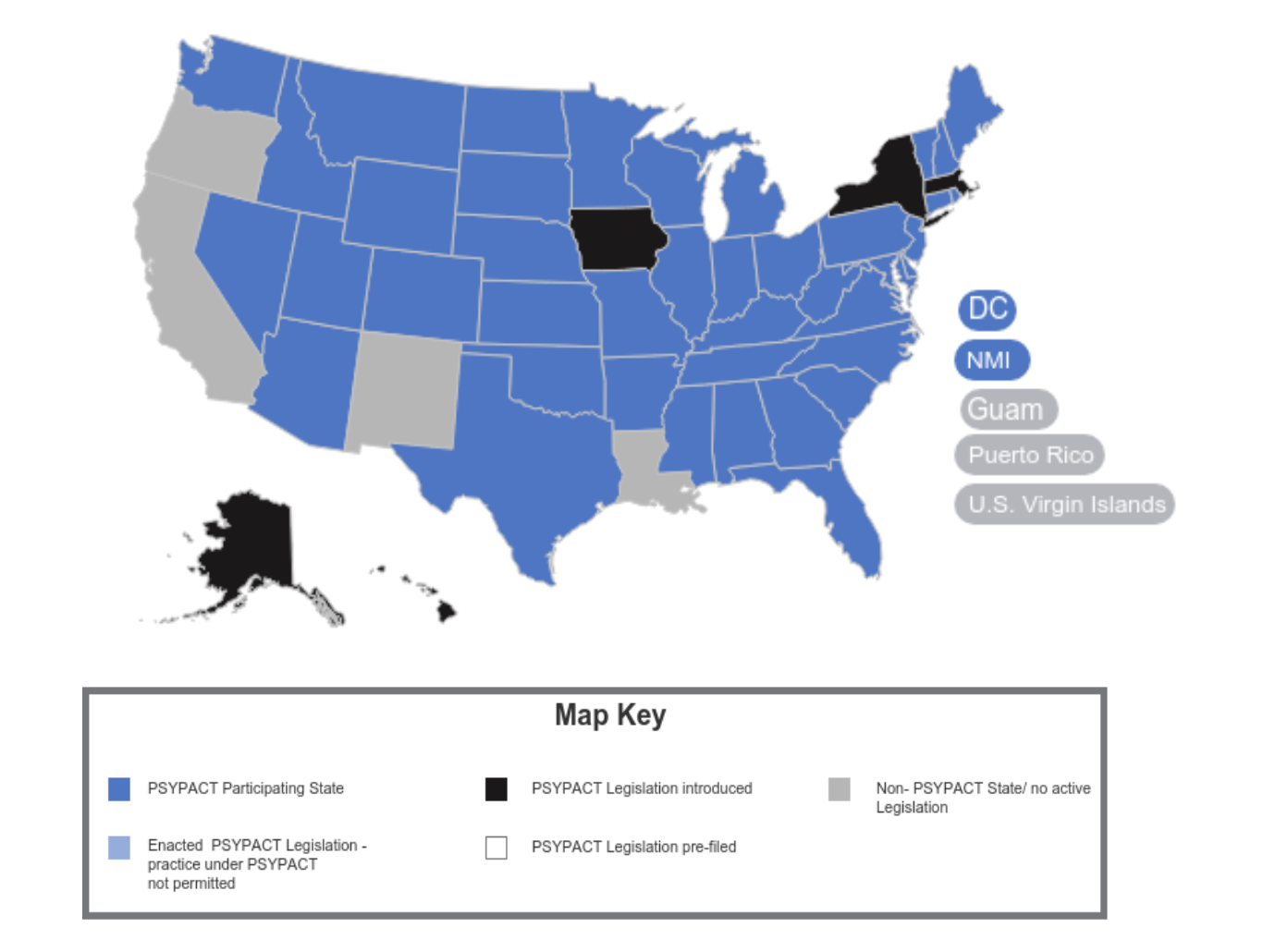
DBT Therapy in NY, NJ, & 42 PsyPact States
Dialectical Behavior Therapy (DBT) is one of the most well-researched, skills-based therapies available, and at Grand Slam Psych, we do it differently. Rather than a rigid, manualized program, Dr. El McCabe takes a personalized approach: drawing from all four pillars of DBT to build a skill set that actually fits your life, your struggles, and your goals.
Is DBT Right for You?

Frequently Asked Questions

What is DBT, and how does it work?
DBT is a type of cognitive-behavioral therapy designed to help individuals manage intense emotions, improve relationships, and build a life worth living. It combines mindfulness, distress tolerance, emotion regulation, and interpersonal effectiveness to create balance and resilience.
Who is DBT for?
DBT is effective for people struggling with emotional dysregulation, self-harm, chronic depression, anxiety, PTSD, or relationship challenges. It’s also helpful for those seeking to enhance their emotional well-being and coping skills—whether they’re athletes, performers, or professionals.
How is DBT different from traditional therapy?
Unlike traditional talk therapy, DBT is structured, skills-based, and action-oriented. It includes individual therapy, group skills training, phone coaching, and therapist consultation teams to ensure you’re supported between sessions.
What can I expect in a DBT session?
Sessions focus on teaching practical skills, practicing them, and applying them to real-life challenges. You’ll work on identifying triggers, managing crises, and building healthier habits—all in a collaborative, non-judgmental space.
How long does DBT take?
Typically, a full round of DBT takes between 5-7 months to complete. The length of time required to complete the program in its entireity often depends on the modality (individual versus group therapy). At Grand Slam Psych, we offer a DBT therapy intensive, which is designed to dramatically reduce the time required to gain DBT skills most relevant to your specific needs.
Is DBT right for me if I'm not in crisis?
Yes! Though DBT was originally designed for those with severe and persistent mental illness in mind, it has been widely adapted and adopted by anyone who can benefit in learning skills to improve emotion regulation, distress tolerance, mindfulness, and interpersonal effectiveness.