
Therapy Services
Online Individual Therapy

Therapy Intensives

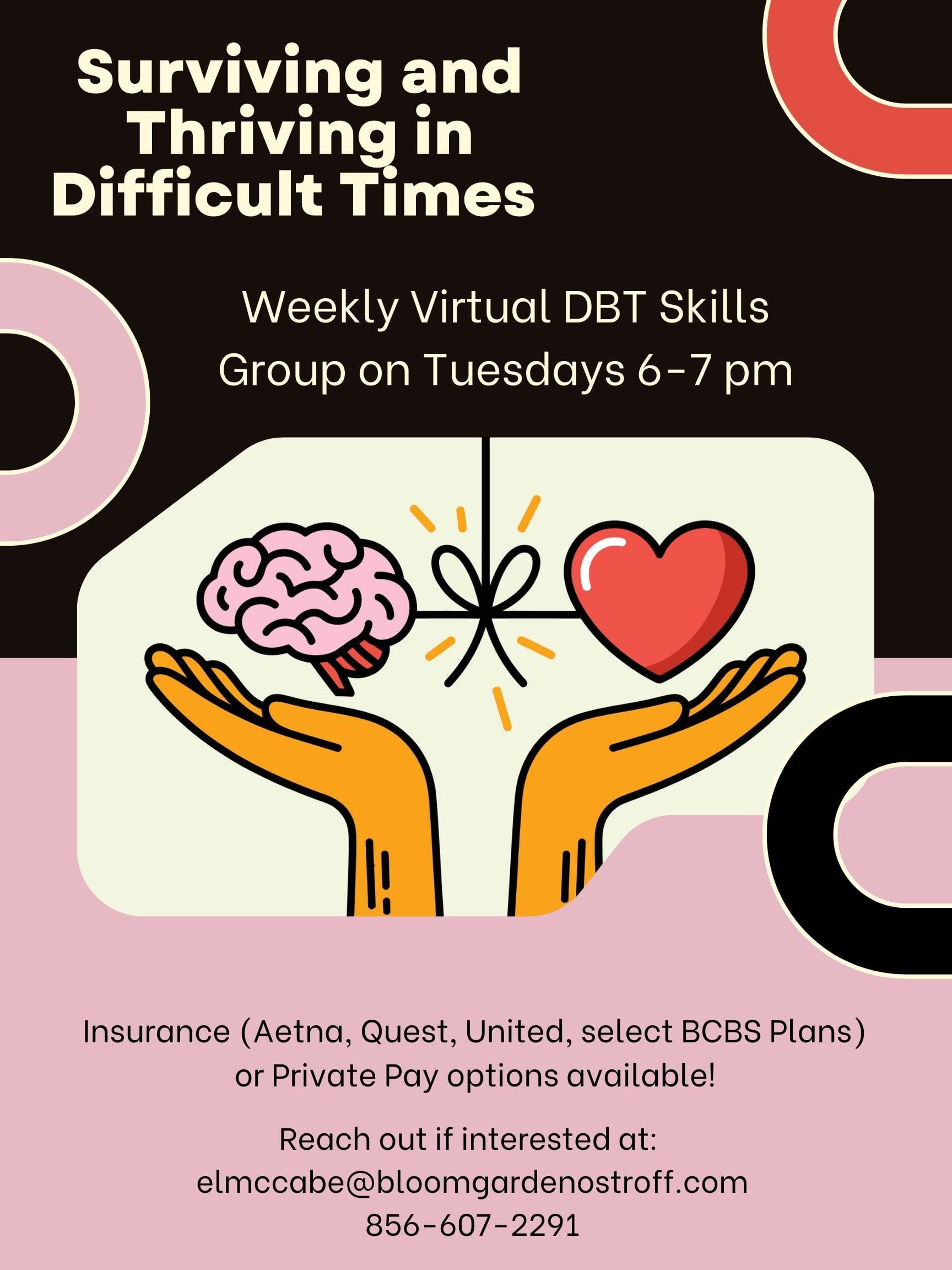
Group Therapy


Frequently Asked Questions

How do I know if individual therapy, group therapy, or a therapy intensive is best for me?
- Individual therapy is ideal if you prefer one-on-one attention, need a personalized treatment plan, or want to focus deeply on specific challenges in a private setting.
- Group therapy works well if you benefit from shared experiences, want to build social skills, or enjoy learning from others in a supportive environment.
- Therapy intensives are best for those who want rapid progress, have limited time, or need to address urgent concerns in a condensed format (e.g., 3–5 days of focused sessions).
What are the key benefits of group therapy compared to individual therapy?
- Group therapy offers:
- A sense of community and reduced isolation.
- Diverse perspectives from peers and therapists.
- Cost-effectiveness (often lower per-session fees).
- Opportunities to practice social skills in real time.
- Individual therapy provides:
- Undivided attention from your therapist.
- Customized strategies tailored to your unique needs.
- A safe space to explore personal issues without judgment.
How do therapy intensives differ from regular therapy sessions?
- Therapy intensives are longer immersive sessions (e.g., 3–4 hours per session) designed for:
- Rapid breakthroughs in addressing trauma, anxiety, or relationship issues.
- Convenience for those with busy schedules or who travel from out of town.
- Intensive focus without the gaps between weekly sessions.
- Regular therapy (individual or group) is spread over weeks/months and allows for gradual progress and reflection.
Can I combine individual therapy, group therapy, or intensives for a hybrid approach?
- Yes! Many clients benefit from mixing formats. For example:
- Start with an intensive to build momentum, then transition to weekly individual sessions for ongoing support.
- Use group therapy to practice skills learned in individual sessions.
- Add an intensive annually for a “tune-up” of progress.
What should I consider when choosing between these options for my specific needs?
- Your goals:
- Need urgent relief? Try an intensive.
- Want long-term growth? Consider individual therapy.
- Prefer support and connection? Explore group therapy.
- Your schedule:
- Intensives require dedicated time (e.g., 3–5 days).
- Weekly therapy fits into flexible schedules.
- Your comfort level:
- Are you comfortable sharing in a group?
- Do you prefer privacy or collaboration?
- Your budget:
- Intensives may have a higher upfront cost but save time.
- Group therapy is often more affordable than individual sessions.
Eleanor (El) McCabe, Ph.D.
Please reach out if you think I am a good fit for your needs and/or you have any questions about getting started together. Either way, I wish you luck on your healing journey!
Stay In Touch